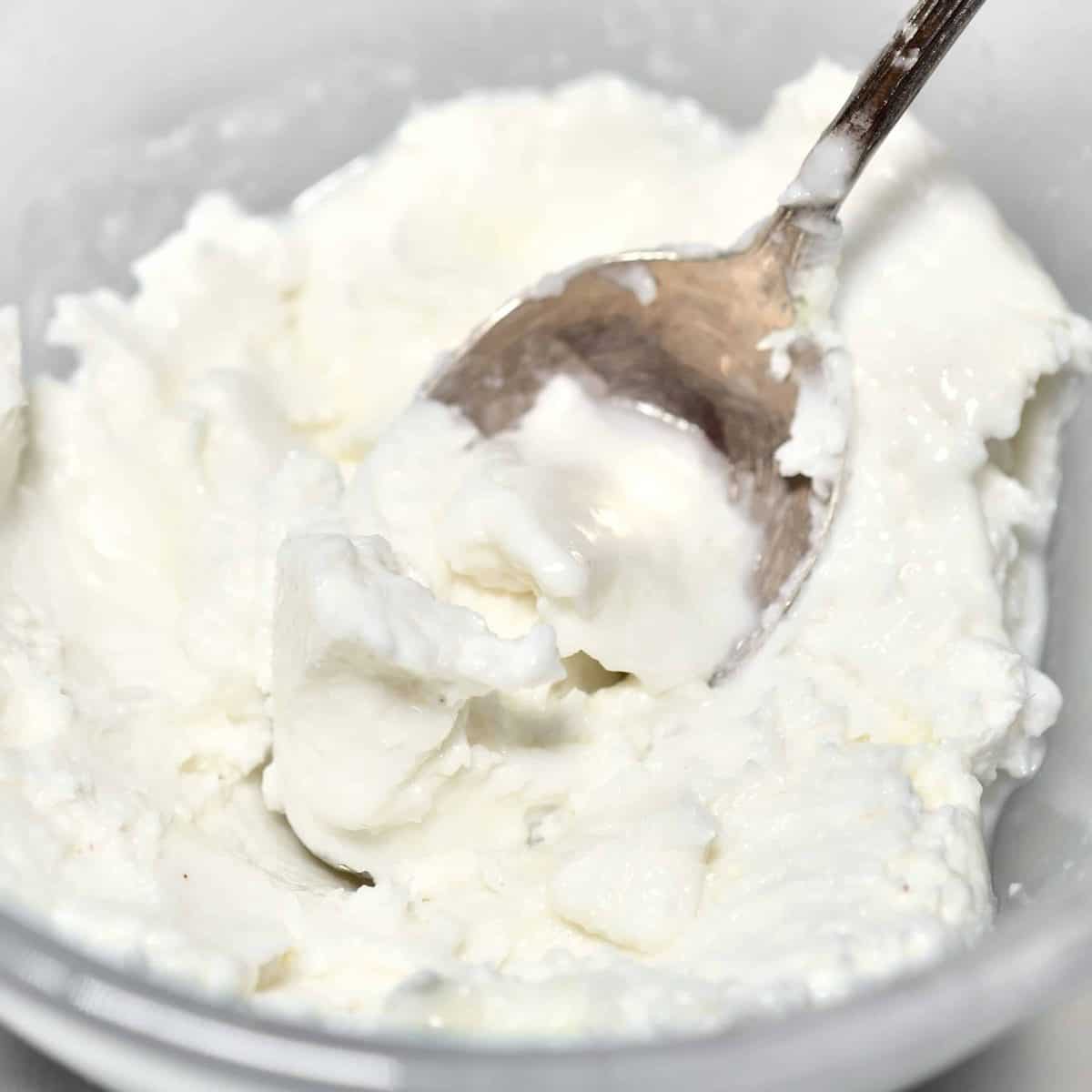
Why Homemade Coconut Cream Is Your Dairy-Free Secret
Are you navigating the world of dairy-free living, constantly searching for that perfect creamy texture in your favorite dishes and desserts? While store shelves offer a plethora of dairy-free alternatives, nothing quite compares to the purity, freshness, and versatility of homemade coconut cream. It’s a game-changer, offering a rich, velvety texture that rivals its dairy counterpart without any of the lactose or animal products. And here's the best part: making your own is surprisingly simple, especially with the insights into easy homemade coconut cream 2 ways.
For too long, the idea of crafting coconut cream from scratch felt like a daunting culinary challenge reserved for professional chefs. Many of us have likely put it off, intimidated by what seemed like a complex process. But the truth is, once you discover just how straightforward it can be, you’ll wonder why you ever hesitated. This article will not only demystify coconut cream but also empower you to create your own luscious, dairy-free secret right in your kitchen.
The Allure of Fresh, Homemade Coconut Cream
In a world increasingly conscious of diet and dietary restrictions, homemade solutions shine. Coconut cream, in particular, stands out as a vital ingredient for those with lactose intolerance, dairy allergies, or anyone following a vegan or plant-based diet. But beyond being a simple dairy replacement, making it yourself offers several compelling advantages:
- Unmatched Freshness and Taste: Say goodbye to the metallic aftertaste or preservatives often found in canned versions. Homemade coconut cream boasts a vibrant, natural flavor that elevates any recipe.
- Control Over Ingredients: You dictate what goes into your cream – just pure coconut and water. No added sugars, thickeners, or artificial ingredients.
- Zero-Waste By-product: An often-overlooked benefit is the delicious desiccated coconut you get as a by-product. Dry it out and use it in baking, granola, or as a garnish, extending the value of every coconut.
- Cost-Effectiveness: While store-bought coconut products can add up, making your own can often be more economical in the long run, especially if you use coconut frequently.
- Healthy Fats: Coconut cream is rich in medium-chain triglycerides (MCTs), a type of saturated fat that's easily digestible and can be used as an immediate source of energy, supporting brain function and metabolism.
The rewarding experience of creating something so fundamental from scratch is an added bonus. It connects you more deeply with your food and the natural ingredients you use.
Decoding Coconut: Water, Milk, and Cream Explained
Before diving into the "how-to," let's clear up some common confusion surrounding coconut products. The supermarket aisles can be a maze of options: coconut water, coconut milk, and coconut cream. While all derived from the versatile coconut, they serve distinct purposes:
- Coconut Water: This is the clear, naturally-occurring liquid found inside young green coconuts. It's a refreshing, hydrating beverage, rich in electrolytes, and often enjoyed on its own or in smoothies and cocktails.
- Coconut Milk: Made by blending the white flesh of mature coconuts with water, then straining it. Coconut milk has a thinner consistency, similar to dairy milk, and is widely used in curries, soups, and beverages. The ratio of coconut flesh to water is lower, resulting in a lighter product.
- Coconut Cream: This is where we focus our attention. Coconut cream is also made by blending mature coconut flesh with water, but with a significantly higher ratio of flesh to water. The result is a much thicker, richer, and creamier product, akin to dairy heavy cream. It boasts a higher fat content, making it ideal for dishes where you want body and richness without watering down the flavor. When left to sit, it will naturally separate, with the thick cream rising to the top.
Understanding these differences is key to choosing the right coconut product for your culinary needs and appreciating why coconut cream holds such a special place in dairy-free cooking.
Unveiling Your Easy Homemade Coconut Cream: Two Simple Methods
The journey to lush, homemade coconut cream is far less complicated than you might imagine. Forget the intimidation; prepare for delight. There are essentially two fantastic methods to make your own, each offering simplicity and stellar results.
Method 1: The Traditional Blend & Strain Approach
This is the classic way to extract coconut cream, and it’s surprisingly straightforward. It involves blending the fresh meat of a mature coconut with hot water, then straining the mixture through a cheesecloth or nut milk bag to separate the liquid cream from the solids. The key here is using warm water to help extract the maximum amount of fat and flavor from the coconut flesh. The more times you press and squeeze, the richer your cream will be.
Method 2: The "Cheat" Method with a Juicer
For those who love kitchen gadgets and ultimate efficiency, the juicer method is an absolute revelation – truly a "cheat" in the best possible way. With a powerful juicer, you can simply feed chunks of fresh coconut meat directly into the machine. The juicer separates the thick, creamy liquid (your coconut cream) from the dry, spent coconut pulp in one swift action. It's incredibly fast, requires minimal cleanup, and yields a remarkably consistent cream.
Regardless of which of these easy homemade coconut cream 2 ways you choose, you’ll be left with a superior product far beyond anything you'd find in a can. For detailed step-by-step instructions on how to truly Master Easy Homemade Coconut Cream: Two Simple Methods, delve into our comprehensive guide.
And remember that valuable by-product! The leftover coconut pulp from either method can be dried in a low oven or dehydrator to make your own fresh desiccated coconut, perfect for baking or adding texture to meals.
Culinary Versatility: How to Unleash Your Fresh Coconut Cream
Once you have your fresh, velvety coconut cream, the culinary possibilities are endless. Its rich texture and delicate flavor make it an invaluable ingredient in both sweet and savory dishes, acting as a perfect dairy-free substitute for heavy cream, sour cream, or even milk.
Savory Delights:
- Curries and Stews: One of its most iconic uses is in curries, like a creamy vegan Thai green curry or a rich massaman. It adds body and depth without thinning out the dish, unlike coconut milk.
- Creamy Soups: Transform simple vegetable soups into luxurious meals. A dollop in butternut squash soup, lentil soup, or a vibrant green pea soup adds incredible richness and a silky mouthfeel.
- Sauces and Dips: Use it as a base for dairy-free sauces, gravies, or even creamy salad dressings, imparting a subtle tropical note.
Sweet Indulgences:
- Coconut Whipped Cream: This is arguably one of the most beloved uses. Chill your coconut cream, then whip it with a touch of sweetener and vanilla until light and fluffy. It's an incredible dairy-free topping for pies, tarts, fresh fruit, or hot chocolate.
- Desserts: Incorporate it into dairy-free cheesecakes, puddings, custards, or even as a rich base for homemade vegan ice cream. Its high-fat content ensures a smooth, scoopable texture.
- Smoothies and Shakes: Add a spoonful to your morning smoothie or an indulgent milkshake for an extra layer of creaminess and healthy fats.
Refreshing Beverages:
- Cocktails: Hello, Piña Colada! Coconut cream is essential for that classic tropical cocktail, but don't stop there. Experiment with other creamy, fruit-based drinks.
- Coffee Creamer: For a truly decadent coffee experience, stir a spoonful of warm coconut cream into your morning brew.
Ready to experience the difference? Discover more about how Homemade Coconut Cream: Ditch Canned, Get Fresh & Dairy-Free can transform your cooking and baking.
Tips for the Perfect Batch and Storage Wisdom
To ensure your homemade coconut cream is always top-notch, keep these practical tips in mind:
- Choose Mature Coconuts: Select heavy coconuts that slosh when shaken, indicating plenty of water and mature flesh. Avoid those with cracks or mold.
- Cracking Safely: Use a sturdy cleaver or hammer to carefully crack the coconut open. Drain the water, then pry out the firm white flesh. A vegetable peeler can help remove any remaining brown skin.
- Adjusting Consistency: You have full control! For a super thick cream, use less water. For a slightly thinner consistency, add a bit more.
- Optimal Temperature: When blending with the traditional method, using hot (but not boiling) water helps to extract more fat and flavor from the coconut meat, resulting in a richer cream.
- Storage: Store your fresh coconut cream in an airtight container in the refrigerator for up to 3-5 days. It's natural for it to separate; simply stir it back together before use.
- Freezing: For longer storage, freeze coconut cream in ice cube trays or small containers. Once frozen, transfer the cubes to a freezer-safe bag. Thaw in the refrigerator before use.
Embrace Your Dairy-Free Secret!
Making your own coconut cream is more than just a recipe; it's an empowering step towards healthier, more mindful cooking. By understanding the simple process and harnessing the power of fresh ingredients, you unlock a world of culinary possibilities, free from dairy and full of natural flavor. Whether you're whipping up a fragrant curry, crafting a light-as-air dessert, or simply enjoying a creamy coffee, your homemade coconut cream will quickly become your dairy-free secret weapon. So, choose your method, crack open that coconut, and prepare to be amazed by the delicious difference!
